Policy, Justice, and the Ballot Box: Why Lula’s Victory Matters for Black BrazilPolíticas públicas, justicia y las urnas: por qué la victoria de Lula importa para el Brasil negro
For the more than 110 million Black and mixed-race Brazilians, the runoff result is deeply tied to the survival of racial justice and targeted public policy.Para los más de 110 millones de brasileños negros y mestizos, el resultado de la segunda vuelta está profundamente ligado a la supervivencia de la justicia racial y de las políticas públicas dirigidas.
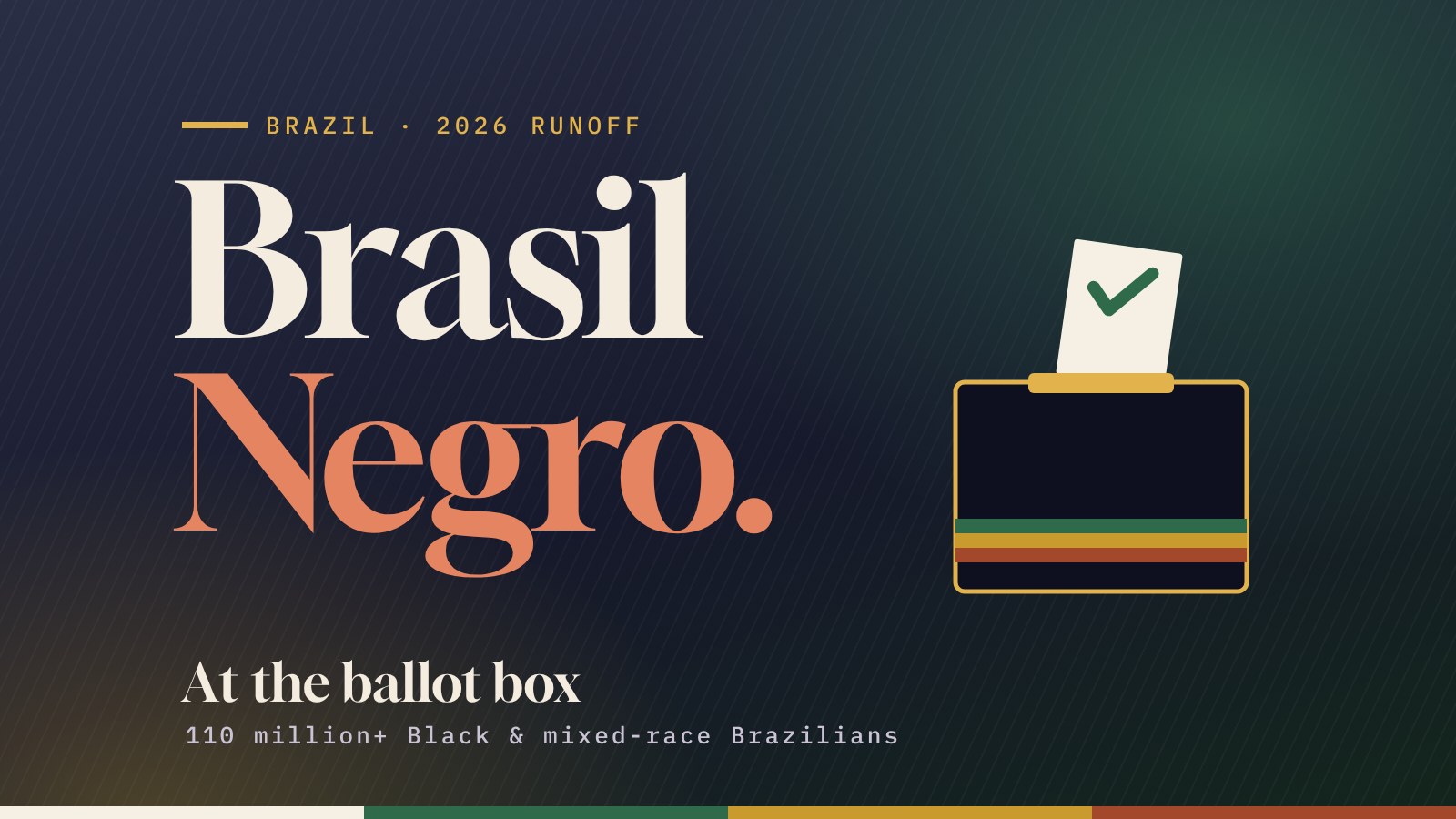
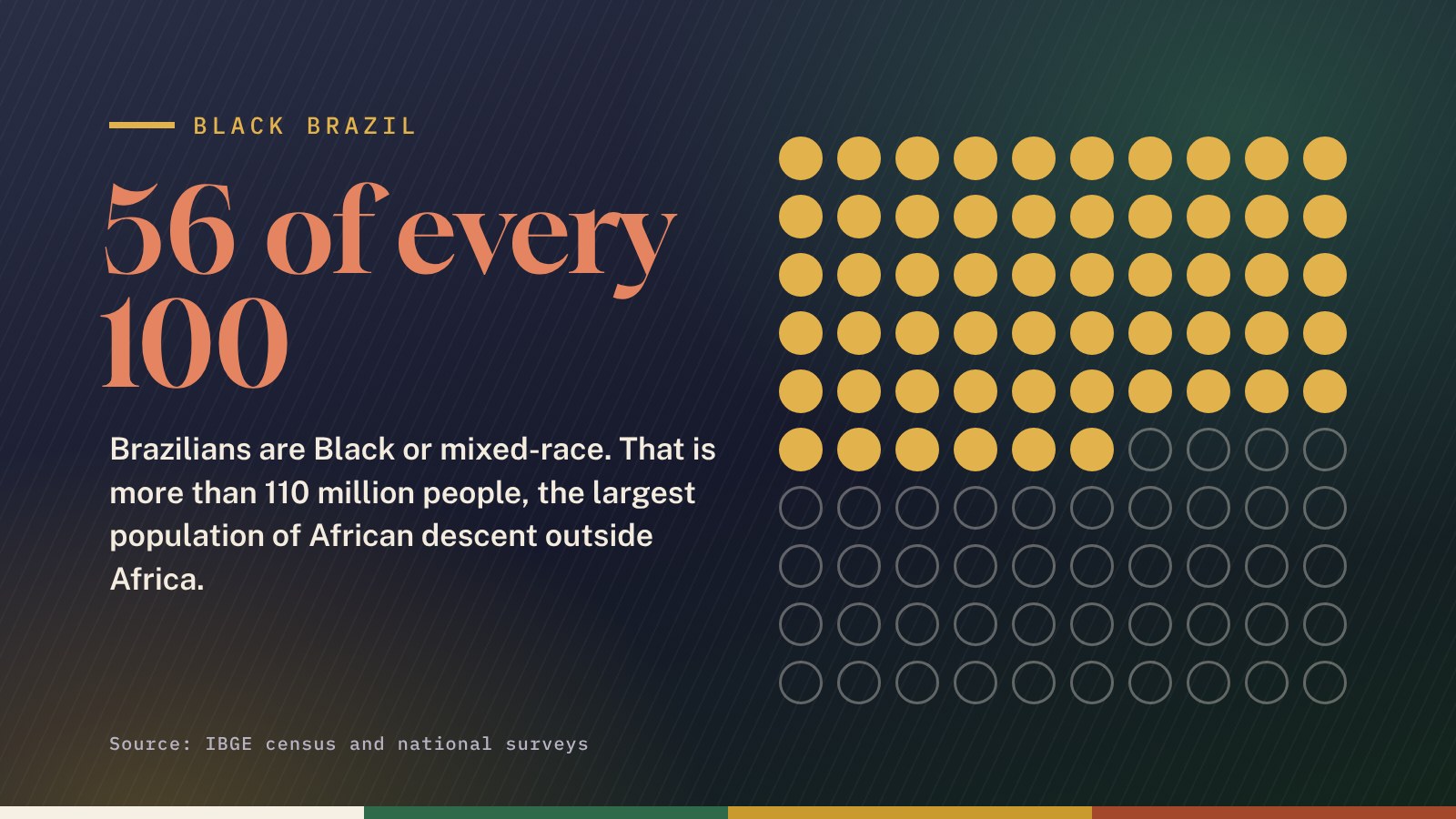
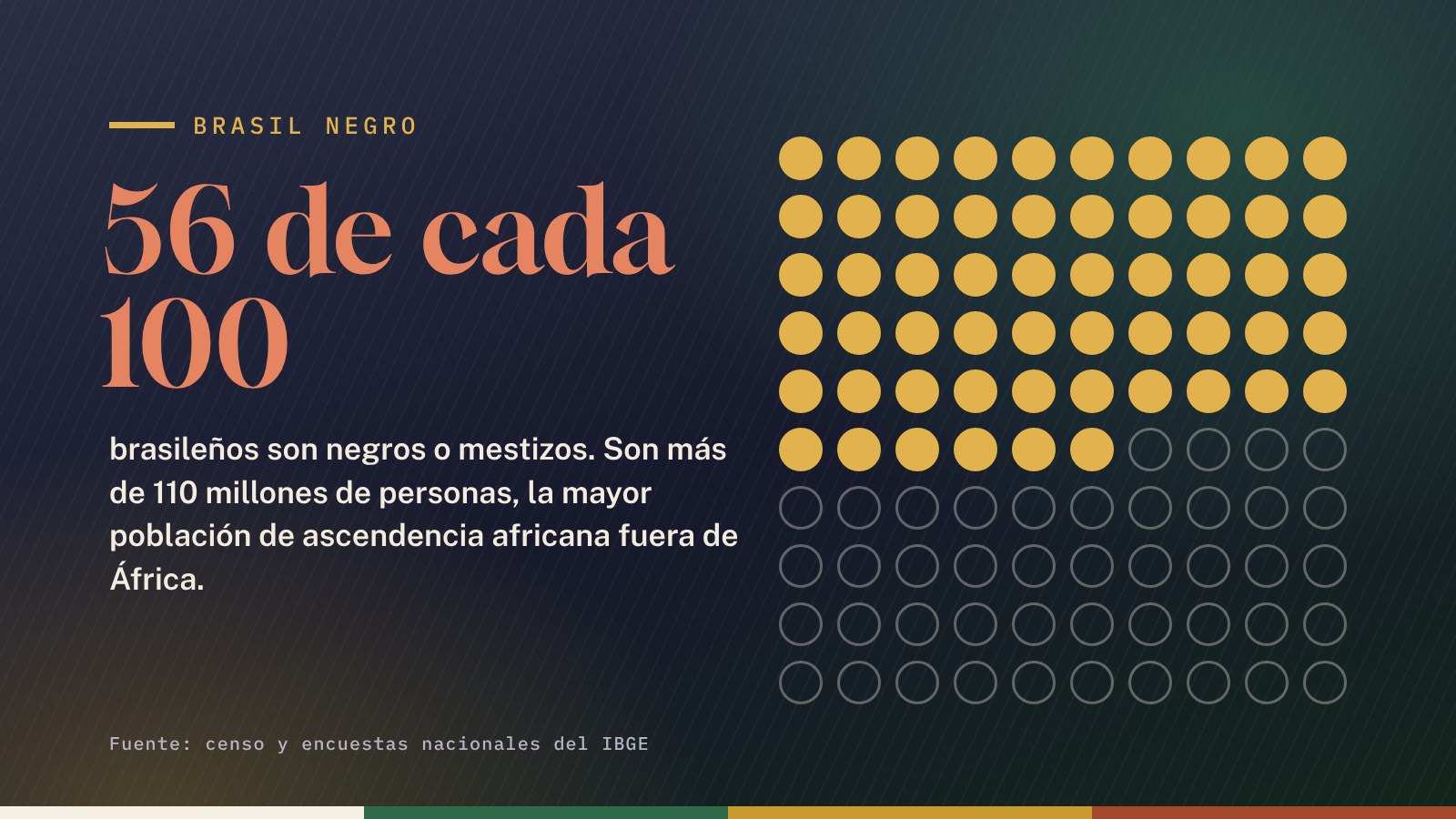
Following a highly polarized presidential runoff, President Luiz Inácio Lula da Silva secured an unprecedented fourth term in a narrow victory against right-wing challenger Flávio Bolsonaro. While global headlines focused on democratic resilience and economic shifts, for the more than 110 million Black and mixed-race Brazilians—who make up over 56% of the population—the outcome is deeply intertwined with the survival of racial justice and targeted public policy.
The Shadow of Structural and “Recreational” Racism
The election took place against a backdrop of severe regression in racial equity, heavily marked by the rhetoric and actions of the Bolsonaro political dynasty. Under previous conservative governance, Brazil’s historical structural racism was frequently downplayed or explicitly weaponized.
Former President Jair Bolsonaro historically faced formal charges for inciting hatred against quilombolas (descendants of escaped enslaved people) after stating they were “not good for anything more than procreating.” The normalization of this rhetoric filtered into the legal sphere, culminating in a 2025 court ruling that ordered the elder Bolsonaro to pay damages for “recreational racism” after he publicly mocked a Black supporter’s hair.
Beyond verbal attacks, the opposition actively targeted the mechanisms meant to foster upward mobility for Afro-Brazilians. Opposition figures routinely attacked the university quota system—a cornerstone of educational equity—and stripped funding from cultural and monitoring bodies designed to protect marginalized communities. On a judicial level, changes to security policies effectively weakened accountability mechanisms for state security forces, creating what human rights advocates described as a “license to kill” that disproportionately endangered Black youth in the country’s favelas.
A Crucial Shift in Policy and Justice
Lula’s re-election represents an immediate policy firewall and a pathway toward systemic reform. For Black Brazil, his victory delivers key benefits in several critical areas:
- Preservation of Institutions: The win directly protects the Ministry of Racial Equality, an institutional pillar dedicated to embedding anti-racist policies into federal governance.
- Protection of Land Rights: Under the new administration, federal protections and land demarcations for quilombola communities are set to be restored and expanded, reversing attempts to strip these traditional populations of their constitutional territories.
- Reinvestment in Social Safety Nets: By prioritizing structural inequality, Lula’s platform targets the massive racial disparities in income, employment, and public safety that heavily impact Afro-Brazilians.
- Judicial Accountability: The outcome signals a shift away from militarized policing in marginalized communities toward legal and systemic accountability for state violence.
While the opposition faces ongoing Supreme Court and police investigations regarding separate corruption, money laundering, and campaign finance scandals, the electoral outcome ultimately served as a referendum on human rights. For a country with the largest population of African-descended people outside of Africa, Lula’s return to office ensures that the fight for racial justice remains an active, well-funded policy initiative rather than a dismissed grievance.
Tras una segunda vuelta presidencial muy polarizada, el presidente Luiz Inácio Lula da Silva obtuvo un cuarto mandato sin precedentes con una estrecha victoria sobre el candidato de derecha Flávio Bolsonaro. Mientras los titulares internacionales se centraban en la resiliencia democrática y los cambios económicos, para los más de 110 millones de brasileños negros y mestizos, que representan más del 56 % de la población, el resultado está profundamente ligado a la supervivencia de la justicia racial y de las políticas públicas dirigidas.
La sombra del racismo estructural y «recreativo»
Las elecciones se celebraron en un contexto de grave retroceso en la equidad racial, marcado en gran medida por la retórica y las acciones de la dinastía política Bolsonaro. Bajo el anterior gobierno conservador, el racismo estructural histórico de Brasil fue con frecuencia minimizado o utilizado abiertamente como arma.
El expresidente Jair Bolsonaro fue denunciado formalmente por incitar al odio contra los quilombolas (descendientes de personas esclavizadas que escaparon) después de afirmar que «no servían ni para procrear». La normalización de esta retórica llegó al ámbito judicial y culminó en 2025 con un fallo que condenó al mayor de los Bolsonaro a pagar una indemnización por «racismo recreativo», tras burlarse públicamente del cabello de un simpatizante negro.
Más allá de los ataques verbales, la oposición atacó activamente los mecanismos destinados a impulsar la movilidad social de los afrobrasileños. Figuras de la oposición arremetieron una y otra vez contra el sistema de cuotas universitarias, un pilar de la equidad educativa, y recortaron fondos a organismos culturales y de vigilancia creados para proteger a las comunidades marginadas. En el plano judicial, los cambios en las políticas de seguridad debilitaron en la práctica los mecanismos de rendición de cuentas de las fuerzas de seguridad del Estado, creando lo que defensores de los derechos humanos describieron como una «licencia para matar» que puso en peligro de forma desproporcionada a la juventud negra de las favelas del país.
Un giro crucial en políticas públicas y justicia
La reelección de Lula representa un cortafuegos inmediato en materia de políticas públicas y un camino hacia una reforma sistémica. Para el Brasil negro, su victoria trae beneficios clave en varias áreas fundamentales:
- Preservación de las instituciones: La victoria protege directamente al Ministerio de la Igualdad Racial, un pilar institucional dedicado a integrar políticas antirracistas en el gobierno federal.
- Protección de los derechos territoriales: Con la nueva administración, está previsto restablecer y ampliar las protecciones federales y la demarcación de tierras de las comunidades quilombolas, revirtiendo los intentos de despojar a estas poblaciones tradicionales de sus territorios constitucionales.
- Reinversión en las redes de protección social: Al priorizar la desigualdad estructural, el programa de Lula ataca las enormes disparidades raciales en ingresos, empleo y seguridad pública que afectan gravemente a los afrobrasileños.
- Rendición de cuentas judicial: El resultado señala un alejamiento de la vigilancia policial militarizada en las comunidades marginadas y un avance hacia la rendición de cuentas legal y sistémica por la violencia del Estado.
Aunque la oposición enfrenta investigaciones en curso del Supremo Tribunal Federal y de la policía por distintos escándalos de corrupción, lavado de dinero y financiamiento de campaña, el resultado electoral funcionó, en última instancia, como un referéndum sobre los derechos humanos. Para un país con la mayor población de ascendencia africana fuera de África, el regreso de Lula al poder garantiza que la lucha por la justicia racial siga siendo una política activa y con financiamiento, y no una queja desestimada.
ALAPA, the Afro-Latino Association for Policy & Advocacy, is a New York nonprofit for Afro-Latinos across the Americas and the Caribbean.ALAPA, la Afro-Latino Association for Policy & Advocacy, es una organización sin fines de lucro de Nueva York para la comunidad afrolatina de las Américas y el Caribe.